


EV charger installation in Auckland for homes, rentals and apartments
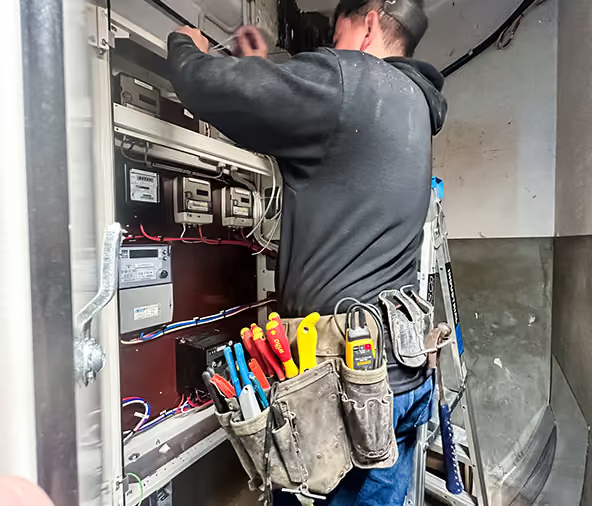
Every install starts with a load assessment. Older switchboards, especially in villas and bungalows, often cannot safely take a 7kW charger without extra capacity.
Installing a home EV charger in Auckland costs between $1,500 and $3,500 installed, depending on the charger, the cable run from the switchboard to the parking spot, and whether the board has spare capacity. Livewire Electrical starts every install with a load assessment, fits single and three-phase chargers including Tesla and Evnex, and issues a Certificate of Compliance.
Recent EV charger installs
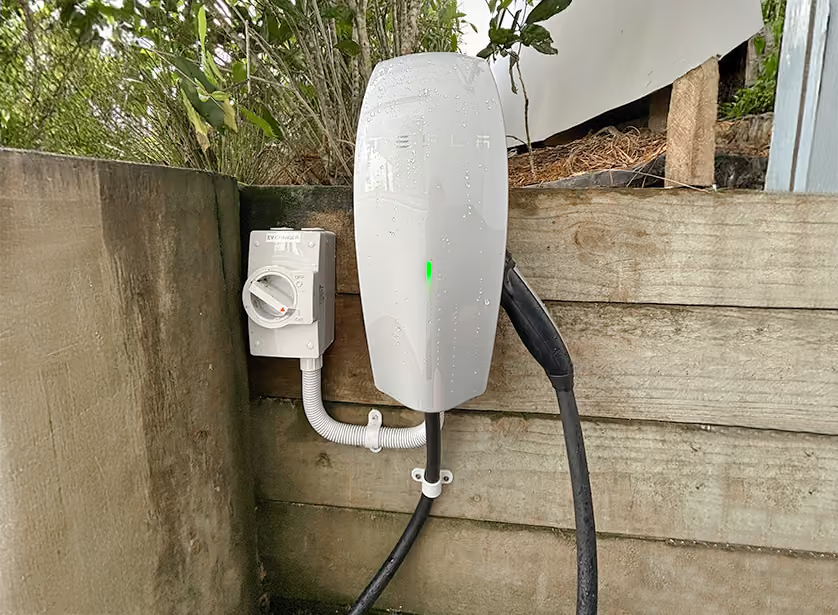
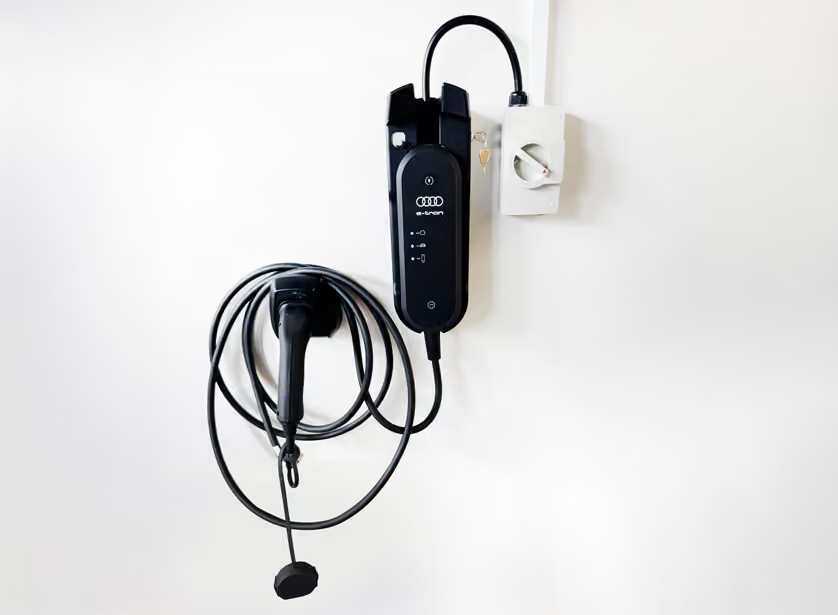
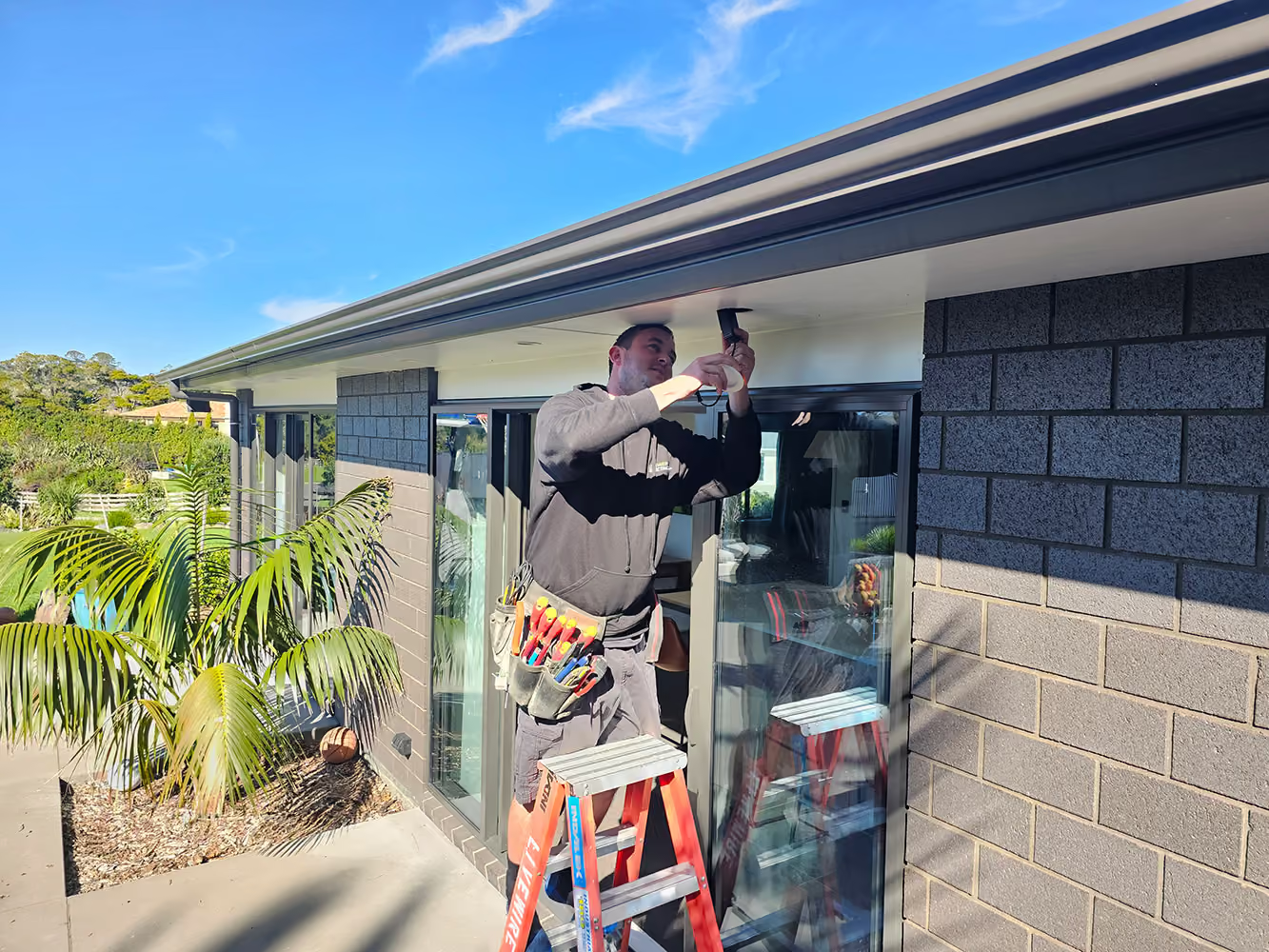
Chargers we've installed in Huapai, Takapuna and Birkenhead, each starting with a switchboard load check.
How an EV charger install runs
How a Livewire job runs, from the first call to the paperwork.
Load assessment
We check the switchboard capacity and mains before anything is quoted.
Charger and cable run
We help you choose tethered or untethered, smart or basic, and plan the cable route to the parking spot.
Install
The charger is mounted and wired to the manufacturer specification, with any board work done by the same team.
Test and sign off
The charger is tested with you and the Certificate of Compliance is issued.
Start with the switchboard
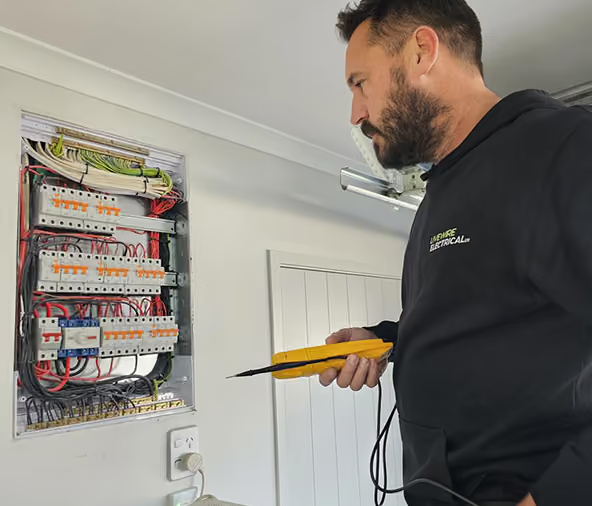
A 7kW home charger is one of the largest single loads a house can carry. Before we quote, we check the board for spare capacity, the condition of the mains, and the right type of RCD protection for EV charging.
Single and three-phase chargers
Evnex, Tesla Wall Connector and customer-supplied units
Why Livewire for your EV charger
Registered, fully insured, rated 4.9 on Google by customers across West Auckland, the North Shore and the central suburbs.
The price holds
The load assessment happens before the quote, so the number does not change on the day.
Any charger
Single and three-phase installs, including Tesla, Evnex and chargers you have already bought.
Board upgrades in-house
If the switchboard needs work first, the same team does it.









FAQs
Got questions? We've answered the most common ones here.
Can an EV charger be installed outdoors?
Yes. Home chargers are weather-rated for outdoor use, so we can mount one on an exterior wall, a carport post or beside the driveway. We use outdoor-rated cable and fittings, position it so the lead reaches the charge port without crossing a path, and keep it clear of sprinklers and downpipes. If you want it out of sight, a lockable outdoor enclosure is an option.
What size EV charger do I need, and does it need three-phase power?
For most homes a 7kW single-phase charger is the right size. It adds roughly 40km of range an hour and fully charges most cars overnight on a standard single-phase supply. An 11kW or 22kW charger needs three-phase power, which most Auckland homes do not have, and it only helps if your car can take that rate. We check your supply and switchboard before quoting and tell you what your house can support. Larger chargers may also need your lines company to be notified, which we handle.
How long does an EV charger installation take?
Most home installs take half a day to a day. A charger close to the switchboard with a short cable run is the quick end. A long run to a detached garage, a switchboard that needs upgrading first, or a three-phase charger takes longer and we tell you that in the quote. You can use the charger as soon as we have tested it and handed over the Certificate of Compliance.
Can you install Tesla, EVNEX, Wallbox or other charger brands?
Yes. We install the main brands sold in New Zealand, including Tesla Wall Connector, EVNEX, Wallbox, Zappi and the chargers car dealers supply with a new vehicle. You can supply the charger or we can source one for you. Either way we check the switchboard first, run the cable, mount and commission the unit to the maker's instructions, and sign it off with a Certificate of Compliance.
What questions should you ask an EV charger installation company?
Ask whether they have actually assessed the switchboard's existing capacity before quoting, rather than pricing blind. Ask what is included in the Certificate of Compliance process, and whether the quote already accounts for the cable run distance or whether that is a likely add-on. If three-phase is relevant, ask directly about that experience, because not every residential electrician does three-phase EV work regularly.
What is the difference between tethered, untethered and smart EV chargers?
A tethered charger has the cable permanently attached. An untethered charger means supplying your own cable. Tethered is more convenient day to day but slightly less flexible if the household ever switches between vehicles with different plug types. Smart chargers add app control, scheduling for off-peak rates and usage monitoring on top of either format.
What safety standards and permits apply to EV charger installation in NZ?
EV charger installation has to be done by a licensed electrician and signed off with a Certificate of Compliance, with circuit protection sized for the charger's actual load. Standard home installs are generally straightforward on the permit side. Three-phase or higher-capacity commercial setups are the ones worth confirming requirements for upfront.
What is involved in installing an EV charger at a rental property or apartment?
At a rental property, EV charger installation needs landlord approval through the same consent process as any other property modification. In an apartment building it needs body corporate sign-off and usually some shared infrastructure planning if more than one unit wants a charger. That makes apartment installs more complex and costly than a standalone house, mainly because of shared switchboard capacity and longer cable runs from the car park to the supply.
Do I need a switchboard upgrade for an EV charger?
It comes down to the home's existing capacity. Older boards, especially in villas and bungalows that have not been touched in decades, often cannot safely take a 7kW charger without extra circuit capacity or a full board upgrade. A load assessment before installation is the only way to know for certain rather than guessing, and it is the first step of every Livewire EV install.
How much does home EV charger installation cost in NZ?
Home EV charger installation in Auckland costs between $1,500 and $3,500 installed. The final number depends on the charger type, how far the cable run is from the switchboard to the parking space, and whether the existing board has capacity or needs upgrading first. Three-phase installs for faster charging cost more than a standard single-phase home setup.
Related services
Explore other services we provide across Auckland.
Based in Kumeū, working across Auckland
Fastest response across Huapai, Riverhead, Waimauku, Whenuapai and Hobsonville. Auckland-wide for rewires, switchboards, EV chargers and commercial work.


Get a fixed quote
Tell us about the job. You get an itemised price before any work starts, and we reply within one business day.